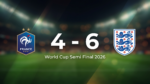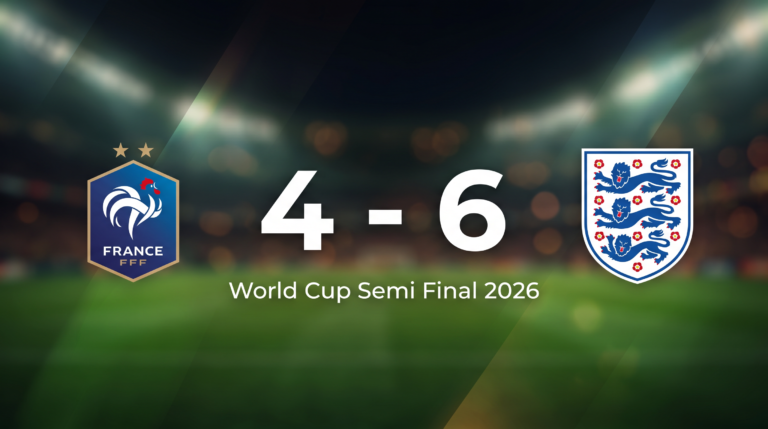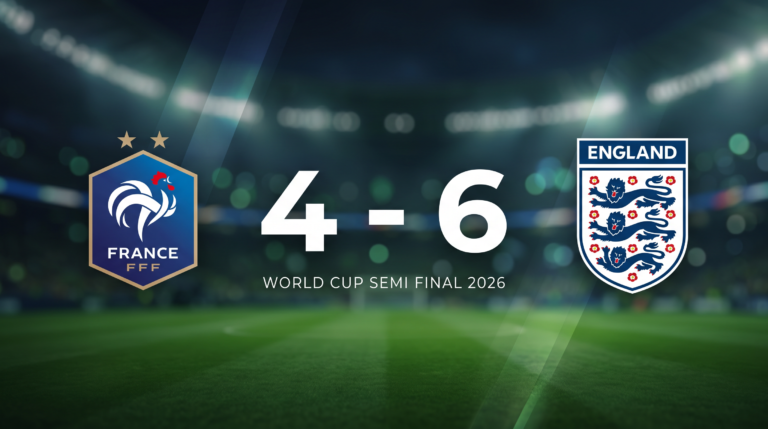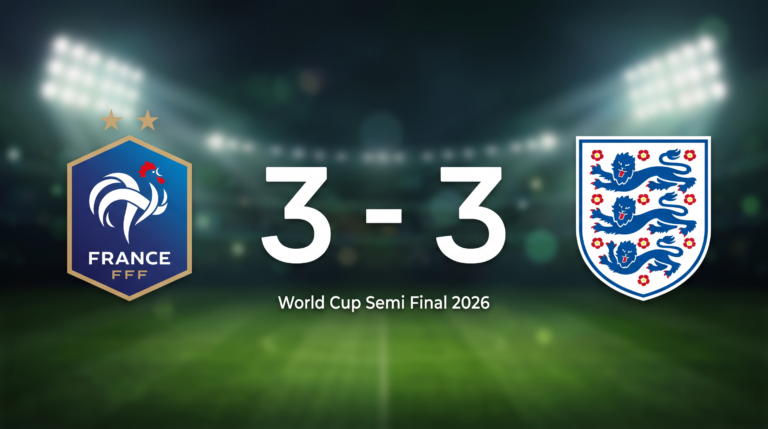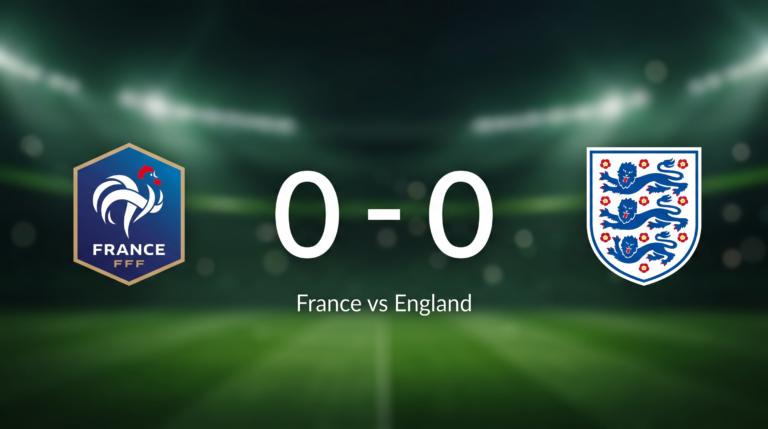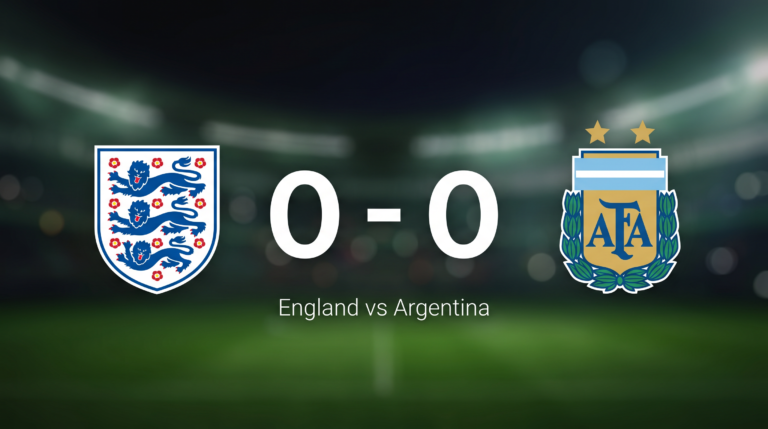
In this match, faced with the spotlight on the scoreline and what it says about the contest. With the final score left as and , the recap naturally centers on the soccer statistics that typically matter most when goals are scarce or evenly matched: shot volume, chance quality, and how often each side created scoring opportunities. This recap focuses on the score as the headline, while using soccer statistics language to frame the flow of the game—how both teams likely balanced risk and control to reach the final result. Even without additional match details, the score itself is the clearest indicator of the outcome, and it shapes how fans will remember the match. In a recap, the score is more than a number; it’s the summary of the duel between two teams and their ability to convert pressure into goals.
The final score was – , and the match ended in a draw. Since neither side outscored the other, there is no winner to celebrate and no loser to blame—only a shared result that reflects how evenly matched the teams were on the day. In soccer statistics terms, a draw often implies that both sides managed to limit the opponent’s most dangerous moments while still finding enough attacking rhythm to avoid a defeat. The margin here is effectively zero, which usually means the difference between success and failure was minimal. For the implications, a draw can be valuable in different ways depending on the context of the league/competition, but the key takeaway remains the same: both teams left with a point, and the score suggests a contest where neither side could fully impose its game plan. This recap and score will stand as the definitive record of a balanced matchup.
About the Author